Amanita Mushrooms Are Toxic to Dogs: An Emergency Guide
If outside the area, please call your nearest emergency vet.
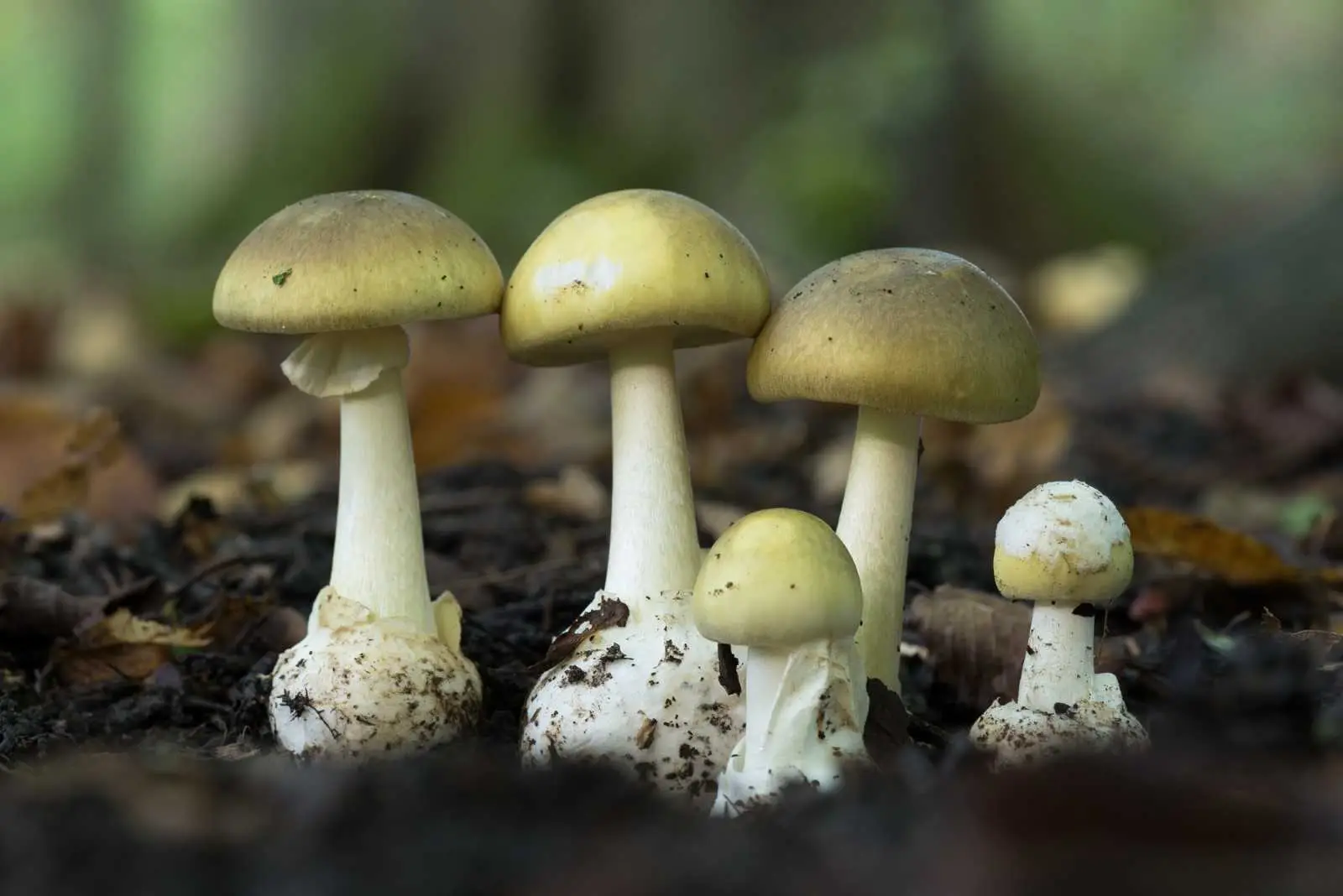
Amanita mushrooms (aka death cap mushrooms) may look harmless on a walk through the park, but they are among the most deadly substances a dog can encounter. With an active Amanita bloom currently occurring in Marin County and surrounding Bay Area communities, pet owners need to know the signs of poisoning and exactly what to do if their dog eats a mushroom.
Top Questions About Amanita Mushroom Toxicity
Are Amanita mushrooms dangerous to dogs?
The answer is yes, and the danger is extreme. Understanding the risks and acting fast could be the difference between life and death for your pet.
Amanita mushrooms are extremely dangerous to dogs and carry an approximately 75% mortality rate. They contain amatoxins, most critically a compound called alpha-amanitin, that cause severe acute liver failure. More than 30 mushroom species contain this toxin, including the Death Cap (Amanita phalloides). There is no safe level of exposure.
When should I take my dog to emergency care?
Take your dog to emergency care immediately if they have eaten or possibly eaten any mushroom, even if they show no symptoms yet. Early treatment is critical — signs of toxicity can appear within 12 to 24 hours and worsen rapidly. Do not wait for symptoms to develop before seeking care.
What are the first signs of Amanita poisoning in dogs?
Early signs include lethargy and gastrointestinal symptoms such as vomiting and diarrhea, typically appearing within 12 to 24 hours of ingestion. Some dogs develop fever at presentation, and the signs of severe vomiting can mimic anaphylaxis. Blood work will often show elevated liver enzymes and low blood sugar. These signs can escalate quickly and require immediate veterinary attention.
Why Amanita Mushroom Toxicity Is So Dangerous
Amanita mushrooms contain amatoxins that directly attack a dog's liver cells. Alpha-amanitin, the primary toxin in these mushrooms, is absorbed rapidly and begins causing cellular damage almost immediately, ultimately causing acute liver failure. This is why even a small amount of an Amanita mushroom can be fatal, and why rapid decontamination and treatment are so critical.
Spotting Mild Cases
Early signs of Amanita toxicosis include lethargy, decreased appetite, vomiting, and diarrhea. These symptoms typically appear within 12 to 24 hours after ingestion. Some dogs may develop a fever. While these signs can seem like a routine stomach upset, they should never be dismissed following any potential mushroom exposure as toxicity can deteriorate rapidly without warning.
Recognizing Serious Cases
Severe Amanita poisoning causes acute liver failure, dangerous drops in blood sugar, and problems with blood clotting. Dogs may become deeply lethargic, jaundiced, or collapse. Coagulopathy, which is the inability to clot blood properly, and severe hypoglycemia are life-threatening complications that can develop quickly. If your dog shows any of these signs after possible mushroom exposure, this is a critical emergency requiring immediate veterinary care.
What To Do
Step 1: Act Immediately. Do Not Wait for Symptoms.
If your dog has eaten or may have eaten a mushroom, do not wait to see if symptoms develop. Every minute matters with Amanita toxicosis. Call a veterinary clinic right away. Early decontamination dramatically improves the chances of survival.
Step 2: Call a Veterinary Clinic
Call a veterinary clinic the moment you suspect mushroom ingestion. Describe what happened, how much your dog may have eaten, and when the exposure occurred. Be prepared to bring your dog in right away — decontamination needs to happen as quickly as possible.
Step 3: Gather Exposure Information
Note the time of the suspected exposure and where it occurred. If you can safely photograph or collect the mushroom without touching it directly, do so. If your dog vomits, the vomitus can be tested for the toxin. This information helps your veterinarian confirm the diagnosis and begin the right treatment.
Step 4: Prepare for Safe Transport
Secure your dog in a carrier or with a harness for the drive to the clinic. Keep your pet calm and well-ventilated. Stay as calm as possible as your dog responds to your stress. Call ahead so the team is ready when you arrive.
Helping Your Pet Before the Vet Visit
Do Not Induce Vomiting at Home Without Guidance
Inducing vomiting in dogs with mushroom toxicity should only be done under veterinary guidance. Call your veterinary clinic before attempting anything at home. Your veterinarian will advise you on the safest course of action while you are on your way in.
Keep Your Dog Calm and Comfortable
Minimize your dog's activity and keep them warm and quiet during transport. Avoid offering food. If your dog is alert and not vomiting, small sips of water are acceptable, but always check with your veterinary clinic first. The priority is getting to care as quickly and safely as possible.
Preventing Future Exposure
The best way to protect your dog from Amanita toxicosis is to prevent exposure entirely. Keep your dog on a leash in areas where mushrooms may grow, especially during wet seasons when blooms are active. Scan your yard regularly and wear gloves to remove any mushrooms you find. Teach your pet a reliable "leave it" command.
Not all toxic mushrooms look distinctive or alarming. The Death Cap in particular can resemble edible varieties. When in doubt, assume any wild mushroom is dangerous. If your dog picks up a mushroom on a walk, treat it as an emergency regardless of what the mushroom looks like.
For Pet Owners in Marin County, We're Here to Help
Pet Emergency & Specialty Center of Marin provides 24/7 care for dogs with confirmed or suspected Amanita mushroom ingestion. With a rapid point-of-care Amatox test available in hospital, our team can confirm exposure quickly and begin life-saving treatment without delay.
Any known or suspected mushroom ingestion should be treated as an emergency. Call us directly at 415.456.7372 — we are available 24 hours a day, 7 days a week.
Key Takeaways
- Amanita mushrooms are among the most toxic substances a dog can ingest, with a mortality rate of approximately 75%, early treatment is essential.
- Signs of toxicity may not appear for 12 to 24 hours, but treatment should begin immediately after any suspected exposure, not after symptoms develop.
- Trust your instincts. If your dog eats a mushroom or you're not sure, call us right away. Acting fast is the single most important thing you can do for your pet.
Clinical guidance and review for this article provided by Dr. Jennifer Kaae, VMD, DACVIM (Internal Medicine) June 2026.
The information contained in the article is for informational purposes only and is not intended to take the place of the advice of a veterinarian.